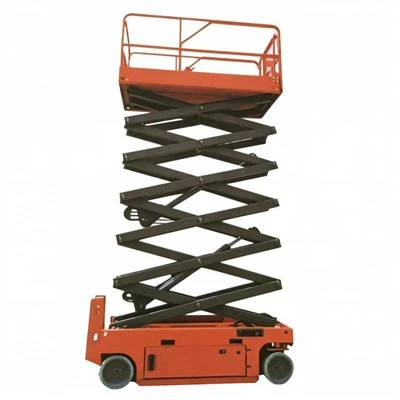

If you’ve spent any time working in grain handling, you’ve probably stared at a half-empty grain bin or a stockpile sitting at the edge of a silo, wondering how to move every last bushel without wasting time, labor, or grain. For years, the conversation around crawler grain reclaimers has been tied directly to bulk grains—corn, wheat, soybeans, rice, the big, high-volume commodities that dominate global agriculture. But as someone who’s spent the last decade selling and refining grain handling equipment, I get asked all the time: Can crawler grain reclaimers handle bulk grains only? The short answer is no—but let’s dig into why that misconception sticks, what these machines can actually do beyond bulk grains, and how they fit into every scale of operation, from small family farms to large commercial grain terminals.
First, let’s clear up what a crawler grain reclaimer actually is, because that’s where the confusion starts. Unlike stationary grain scrapers that are bolted to a bin floor or conveyor belt, a crawler grain reclaimer (that’s our line of Crawler Grain Reclaimer Machine, by the way—you can check it out for full specs) is a self-propelled unit mounted on continuous track treads, similar to construction equipment like excavators. That tread design is key: it lets it move across uneven, soft, or cramped surfaces without getting stuck, which is a huge advantage over wheeled units that often sink into damp grain or uneven stockpiles. The core function is simple: it scrapes grain from the base of a pile or bin, lifts it onto an integrated conveyor, and transfers it to an outloading system like a truck, train, or another conveyor. But the material it can process goes far beyond the bulk grains we’re taught to associate with these machines.


Bulk grains are the bread and butter of our industry, so it makes sense that crawler reclaimers are built for them. Corn, for example, is often stored in large silos or open stockpiles for months before it’s shipped to a processor, and when it’s time to unload, there’s always a layer of grain left packed against the bin walls or compressed at the base. A crawler reclaimer’s powerful, adjustable scraper head can move 200+ tons of corn an hour, clearing that packed material without damaging the grain (which is critical—cracked corn loses value fast). The same goes for soft wheat, which can clump if it’s been stored in a humid environment, or soybeans, which are small and prone to spilling if the handling equipment isn’t calibrated right. That’s where the unit’s variable speed control comes in: operators can slow the scraper head for clumped soybeans or speed it up for dry, loose corn, making it perfect for high-volume bulk grain operations. But here’s the part that surprises most people: we’ve seen these same units handle a wide range of other materials that aren’t technically “bulk grains” in the traditional sense.
Let’s start with intermediate or specialty grains, which are often lumped in with bulk grains but have very different handling needs. Oats, for example, are lighter and more fragile than corn, so using a heavy-duty wheeled loader to move them often causes 5-7% grain damage—enough to cut a farmer’s profit by hundreds of dollars per load. We had a small family farm in Iowa reach out to us last year because their old wheeled loader kept ruining their oat stockpile, and they couldn’t keep up with demand from a local oatmeal producer. They rented one of our crawler reclaimers for a harvest season, and by the end, their grain damage dropped to less than 1%, and they could move their entire 1,200-ton oat stockpile in 8 days—vs. 12 days with the loader. That’s not bulk grains in the massive terminal sense, but it’s definitely grain, and the crawler reclaimer handled it with ease. We’ve also had clients use these units for rye, barley, and even sunflower seeds—all materials that are often grouped with bulk grains but require a more precise touch than a big wheeled machine can offer.
Then there’s the space in between: what happens when you don’t have a full bulk stockpile to clear, just leftover grain from a bin renovation, or grain that’s spilled along a silo pad? That’s where crawler reclaimers really shine, and where the myth of “only bulk grains” falls apart. Last year, a large grain terminal in Kansas called us because they were renovating two of their 50,000-bushel silos, and they had 1,200 tons of leftover grain mixed with dirt and debris to clear before construction could start. Their old stationary grain scraper (our Chain Scraper Grain Scraper, which is great for permanent bin floors but not for moving around) couldn’t reach the grain that was 10 feet away from the bin wall, and their wheeled loaders were too big to fit between the silos to access the small piles. They brought in a crawler reclaimer, and its tracks let it navigate the 3-foot gap between the silos, and its adjustable scraper head could separate the grain from the dirt at the base of the pile. They didn’t just clear the leftover grain—they recovered 18 tons of usable grain they would have otherwise thrown away. That’s not a bulk stockpile of hundreds of thousands of bushels, but it’s definitely material that requires a reclaimer to move efficiently, and the crawler model is designed for that kind of flexible work.
What about other dry, granular materials that are often stored and handled alongside grain? I know this might stretch the definition a bit, but the line between grain and other ag materials is blurry in real operations, and our customers put our equipment to use in those areas too. We’ve had feed mills use crawler reclaimers to move feed ingredients like soybean meal pellets, wheat bran, and even small amounts of distillers’ grains. Those materials are not “bulk grains” in the traditional agricultural commodity sense, but they’re granular, flowable, and have similar handling needs to many grains. The same adjustable scraper head and conveyor system that works for corn works for these materials, because the unit is designed to control the flow rate of the material being moved. A few months ago, a poultry feed producer in Indiana rented a crawler reclaimer to clear a stockpile of distillers’ grains that had clumped together after a rainstorm, and the machine moved it without clogging, which their old conveyor system did repeatedly. That’s not grain, but it’s a perfect example of how crawler reclaimers can adapt to materials used in the broader grain and feed industry—something that their stationary counterparts can’t do nearly as well.
Now, let’s talk about the limits, because it’s important to be honest here. A crawler grain reclaimer isn’t designed for every material under the sun. If you’re handling very wet, sticky material like wet distillers’ grains (WDG) that have a consistency like dough, the scraper head might clog, and the conveyor can get overwhelmed. It’s also not the best choice for fine, dusty material like flour, because the enclosed conveyor system isn’t designed to prevent dust emissions, which can be a safety hazard. But for the vast majority of materials that are grain, specialty or commodity, or dry granular ag-related materials, the crawler reclaimer is far more flexible than most people give it credit for.
Part of the reason the “only bulk grains” myth persists is that when we market our equipment, we lead with bulk grains because that’s the primary use case for most large terminals and farms. We want customers to understand what the machine is capable of at its core, not every edge use case right off the bat. But over the years, we’ve learned that the best way to help our customers is to listen to their needs, not just sell them the machine for one specific job. That’s why we also offer complementary equipment like our Mobile Telescopic Grain Conveyor (perfect for moving reclaimed grain directly into a truck or rail car, no extra transfer needed) and our Grain Scraper (for permanent bin installations) to pair with crawler reclaimers depending on the job at hand.
I think a lot of operators also overlook the flexibility of crawler reclaimers because they’re focused on their existing workflow. If you’ve always cleared your bin with a stationary scraper or a wheeled loader, you might not stop to wonder if there’s a better way to handle the smaller, intermediate, or non-traditional grain materials that come up throughout the year. But when you’re dealing with a farm that has 10 small bin sites spread across 500 acres, or a small feed mill that’s moving both grain and feed ingredients, the ability to move a single machine from one job to the next is a game-changer. You don’t need a separate machine for bin cleanup, for intermediate stockpiles, and for bulk grain outloading—one crawler reclaimer can do all of that.
Let’s go back to that Iowa oat farm I mentioned earlier. They were a 2,000-acre operation, so they do handle bulk grain, but their oat and barley stockpiles aren’t on the same scale as corn or wheat. They told us that before they got the crawler reclaimer, they’d spend 10 days every fall moving oat stockpiles with a wheeled loader, and another week cleaning up leftover grain from their small bins. With the crawler reclaimer, that whole process took 4 days, and they saved over $15,000 in labor and grain damage in their first season. That’s not just about bulk grains—that’s about making equipment work for the full scope of your operation, not just the biggest job of the year.
Another example: a grain elevator in Minnesota that handles a mix of corn, soybeans, and small amounts of specialty grains like millet for birdseed. They used to use a stationary reclaimer for corn, a wheeled loader for soybeans, and even a small conveyor for millet, because they thought a crawler grain reclaimer wouldn’t handle the lighter millet. We brought a unit out to test, and we adjusted the scraper head speed to a slower rate, which let the conveyor move the small, light millet without spilling or blowing away. Now they use that one crawler reclaimer for all three materials, and they’ve eliminated two pieces of separate equipment from their fleet. That’s the kind of value that comes from realizing crawler reclaimers aren’t just for bulk grains—they’re adaptable enough for the whole range of materials you handle.
So why do some sources still say crawler grain reclaimers only handle bulk grains? It’s usually a simplification for marketing or educational purposes. When you’re teaching a new operator about grain handling, it’s easier to start with the primary use case, then build in flexibility as you go. But as anyone who works in this industry knows, real-world operations are messy. You don’t just handle a 100,000-bushel bulk grain stockpile every time—you have half-full bins, leftover grain after harvest, clumped specialty grains, and mixed material that needs to be recovered. The best equipment is built to handle all of that, not just the textbook job.
If you’re someone who’s still on the fence about crawler grain reclaimers, I’d encourage you to look beyond the bulk grain label. Think about the jobs that pop up throughout your year: the bin cleanup after a renovation, the small specialty grain stockpile, the leftover grain that would otherwise go to waste. That’s where these machines really shine. They’re not one-trick ponies designed only for big, high-volume commodity loads—they’re versatile, flexible units that can adapt to the full scope of your grain handling needs.
At the end of the day, the goal of any grain handling equipment is to move more grain, with less waste, in less time. Crawler grain reclaimers do that for bulk grains, but they do it for so much more too. If you’re ready to stop limiting yourself to old assumptions about what these machines can do, take a closer look at our Crawler Grain Reclaimer Machine, and see how it could fit into your operation beyond just bulk grain outloading. Whether you need to move a 50-ton specialty grain stockpile or clear leftover grain from a bin, this equipment is built to handle it all.
If you have questions about how a crawler grain reclaimer could work for your specific materials or operation, feel free to reach out to discuss your needs. We’re here to help you find the right solution, not just sell you a machine for one job.
References
- American Society of Agricultural and Biological Engineers. (2021). “Grain Handling Equipment Standards for Self-Propelled Reclaimers.” ASABE Annual Meeting Proceedings.
- Grain Elevator and Processing Society. (2022). “2022 Grain Handling Efficiency Report: Recovery Rates for Specialty and Intermediate Grains.” GEPS Journal.
- University of Extension Agriculture. (2020). “Choosing Grain Handling Equipment for Small to Mid-Scale Farm Operations.” Iowa State University Extension.
- Material Handling Industry Association. (2021). “Self-Propelled Treaded Equipment for Granular Material Handling.” MHI Technology Report.