
Hey everyone, let’s cut to the chase—if you work in grain handling, agricultural storage, or even industrial facility maintenance, you’ve probably run into terms like “trench cover” and “aeration cover” at some point. At first glance, they might look like the same thing: flat, durable panels that cover a trench. But trust me, mixing these two up can lead to some real headaches—from poor grain preservation to safety hazards that no one wants to deal with. I’ve been selling Under Floor Aeration Trench Covers for years now, so I’ve helped tons of folks sort through this confusion, and today I want to break down exactly what sets these two apart, why that difference matters, and how our gear fits into the bigger picture.
First, let’s talk about what a trench cover is, since that’s the older, more general term. Trench covers have been around forever, right? They’re designed for basic access and protection. You’ve probably seen them on construction sites, around utility lines, or in places where you need to cover a deep trench to keep people from tripping, keep debris out, and keep the trench stable. They’re usually heavy-duty—made of steel, concrete, or thick plastic—but their whole job is just covering. No fancy features, no purpose beyond being a solid, safe barrier. I remember a customer a few years back who tried to use a regular trench cover over his grain aeration trench because it was all he had on hand. Big mistake. He stored corn in that bin, and come harvest time, the grain was moldy because the aeration system couldn’t push air through. The trench cover he used was solid steel, no gaps—air just pooled under the grain instead of circulating. That’s the kind of thing I want to save you from.
Now, aeration covers—specifically, under floor aeration trench covers—are a totally different beast. These aren’t just flat panels. They’re purpose-built to work with the aeration systems that keep grain fresh, dry, and mold-free. Aeration is non-negotiable for grain storage, especially for large quantities in bins or silos. If grain sits still for too long, moisture builds up, and that’s how mold, insects, and even spoilage start. Aeration trenches run along the bottom of storage facilities, pushing air through the grain from below, and the cover over that trench has to let that air pass through without letting grain fall in. That’s the key difference: regular trench covers are solid, aeration covers are perforated (but not too much, and not just random holes). They’re engineered to maintain airflow while preventing grain loss.
Let’s dive deeper into the design stuff, because that’s where the real split happens. Standard trench covers: they’re made to handle heavy loads—forklifts, trucks, foot traffic—so they’re thick and rigid, but their surface is totally smooth, no gaps, no vents. When you use one over an aeration trench, you’re blocking that critical airflow. The aeration system’s fans have to work way harder to push air through a solid steel cover, which wastes energy, and even then, the air doesn’t circulate evenly. Over time, that can lead to hot spots in the grain, which are a major fire risk too—hot grain combusts easily, trust me, I’ve heard enough horror stories from farmers to know that’s no joke.


Aeration covers, on the other hand, are designed with precise perforations. The size, spacing, and pattern of the holes are calculated to let air flow through at exactly the right rate—fast enough to keep grain dry, but small enough to stop kernels from falling into the trench (that’s a pain to clean out, by the way, I can’t tell you how many customers have complained about that). The material is still tough, so it can handle the weight of heavy equipment moving over it—we use reinforced steel for our Under Floor Aeration Trench Covers, and they’re tested to hold up 10,000+ pounds, which is more than enough for most farm or industrial sites. Another big design difference: aeration covers often have a slight slope or profile that helps direct air evenly across the trench, so there are no dead zones where grain isn’t getting any airflow. Regular trench covers don’t have that kind of engineering—they’re just flat.
Now, let’s talk about use cases, because that’s how you’ll actually figure out which one you need. When would you use a standard trench cover? If you’ve got a utility trench for power lines, water pipes, or something that doesn’t need airflow—construction sites, underground storage, maintenance access areas. That’s it. If you’re covering an aeration trench, a grain handling trench, or any space where air circulation is important, you need an aeration cover. I had another customer last year who worked at a feed mill; they were using a regular trench cover over their aeration trench, and when they ran tests, they found that the grain moisture level was 2% higher in the areas above the solid cover—2% might not sound like a lot, but for 50,000 bushels of corn, that’s a huge difference in spoilage and value. Swapping to our aeration cover fixed that immediately, their moisture levels dropped, and they saved money on their electricity bills because the aeration fans didn’t have to work as hard.
Wait, let’s also touch on maintenance, because that’s a part people don’t always think about. Regular trench covers are pretty low-maintenance—you just check for cracks or dents every now and then. Aeration covers need a little more attention, but not much. Since the perforations are sized to keep grain out, cleaning them is easy—just a quick sweep or a pressure wash once a season. But if you use a regular trench cover over an aeration trench, you might not notice right away that small gaps or dents are blocking airflow, and by the time you do, you’ve got spoiled grain. Plus, if grain does get into the trench with a solid cover, it’s trapped down there, and it can rot and get into the air system, clogging filters or damaging fans. That’s a whole other cost and hassle no one wants.
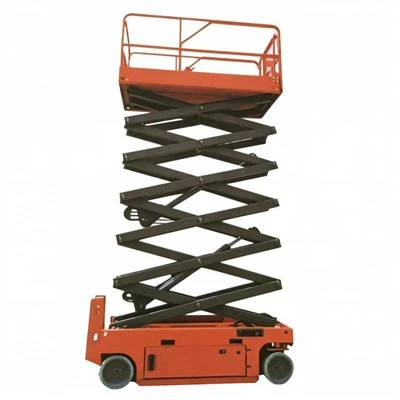
Now, I know a lot of you are probably thinking, “Okay, that makes sense, but what else do I need to know about trench covers for other applications?” Let’s tie this into the rest of the equipment I sell, because I work with a lot of grain handling folks, and we all know that the whole system works together. For example, if you’re moving grain from a field to a storage bin, you might use a Portable Incline Grain Belt Conveyor to load it into the bin, then an aeration trench cover like ours to keep it fresh. If you’re handling corn specifically, a Large Capacity Corn Cob Conveyor might come into play if you’re dealing with byproducts, but the storage part still needs the right cover. And for safety, if you’re working around these trenches, a Hydraulic Work Platform Lift makes it easy to do maintenance on the aeration system without risking a fall. If you’re discharging grain from a truck or cart, a Mobile Side Discharge Grain Machine helps you move it efficiently, and pairing that with the right trench cover keeps the flow of grain smooth without issues. It’s all connected—get the cover wrong, and the whole process falls apart.
Let me give you a real example to drive this home. A wheat farmer in Iowa reached out to me last month. He had 20,000 bushels of wheat that he stored last year, and when he went to sell it, it graded lower because of moisture and mold. He’d used a regular trench cover over his aeration trench because he thought it was just a cover, and he didn’t see the difference. We walked through his site, swapped out the old cover for our Under Floor Aeration Trench Cover, and this year, his moisture levels are holding steady at 12%, which is perfect for wheat. He saved thousands of dollars in potential losses, and his aeration system’s fan runtime is down by 30%—that’s big money on electricity bills.
Another thing to consider is safety. OSHA has specific standards for trench covers, right? Solid trench covers are required for non-aeration trenches to prevent falls, but for aeration trenches, you need a cover that’s compliant with OSHA’s load standards and allows airflow. Regular trench covers might not meet the airflow requirements, and if you use them where aeration is needed, you could be violating industry safety guidelines for grain storage. Aeration covers, on the other hand, are engineered to meet both load and airflow specs, so you’re covered on both fronts.
I’ve seen people try to cut corners with aeration covers, too—some will drill random holes in a regular trench cover to make it “aeration-friendly.” Don’t do that. Drilling holes in a solid cover weakens it, so it can’t handle the weight of heavy equipment, and the random hole sizes and spacing mess up the airflow, which is the exact problem you’re trying to fix. Our Under Floor Aeration Trench Covers are precision-engineered, so you don’t have to guess. Every hole is the right size, spaced just right, and the material is reinforced to stand up to years of use—even in harsh agricultural environments where it’s dusty, wet, and cold.
Let’s wrap this up with the key takeaways so you don’t have to re-read the whole thing: 1. Regular trench covers are solid, general-purpose barriers for non-aeration trenches—good for utility access, but bad for grain storage. 2. Aeration covers (like our Under Floor Aeration Trench Covers) are perforated, purpose-built to let air flow while keeping grain out, critical for grain preservation and energy efficiency. 3. Mixing these two up leads to higher spoilage, higher energy costs, safety risks, and lost money.
If you’re not sure which cover you need, or if you want to learn more about how our gear works with your existing grain handling system, hit me up. I don’t do hard sales pitches—just honest advice, because I’ve been in this long enough to know that happy customers come from solving problems, not pushing products. If you’re moving grain with a Portable Incline Grain Belt Conveyor, or handling corncobs with a Large Capacity Corn Cob Conveyor, or need a Hydraulic Work Platform Lift for maintenance, or even a Mobile Side Discharge Grain Machine for loading—we’ve got you covered too. But when it comes to aeration trenches, don’t cut corners. The Under Floor Aeration Trench Cover is the only way to go if you want to keep your grain fresh and your costs down. Don’t wait until you have spoiled grain or a broken aeration system—reach out today to talk through your needs. I’m here to help.
References:
- Agricultural Engineering Magazine. (2022). Aeration Systems for Grain Storage: Design, Operation, and Maintenance. American Society of Agricultural and Biological Engineers.
- Occupational Safety and Health Administration (OSHA). (2021). Trenching and Excavation Safety Standards (29 CFR 1926 Subpart P). U.S. Department of Labor.
- Grain Handling & Storage Bureau. (2023). Best Practices for Trench Cover Selection in Grain Facilities. National Grain and Feed Association.
- Conveyor Equipment Manufacturers Association (CEMA). (2022). Standard for Conveyors and Related Equipment, 7th Edition. National Grain and Feed Association.