
If you’ve ever stood in a grain bin that’s a little too cramped or a field where the ground isn’t perfectly flat, you know how frustrating it can be to maneuver heavy equipment. That’s where the mobile swivel grain piler conveyor comes in—it’s the workhorse that lets you move, pile, and distribute grain without the hassle of fixed equipment or the stress of cramming machinery into tight spots. But one question I get asked all the time by farmers, bin managers, and equipment operators is: What’s the turning radius of a mobile swivel grain piler conveyor? It’s not just a random spec—getting this right can make or break how fast you get your grain loaded, how much ground you cover, and even how much money you save on fuel and repairs. Let’s break this down like we’re chatting over a coffee at the grain yard, no jargon just straight talk.
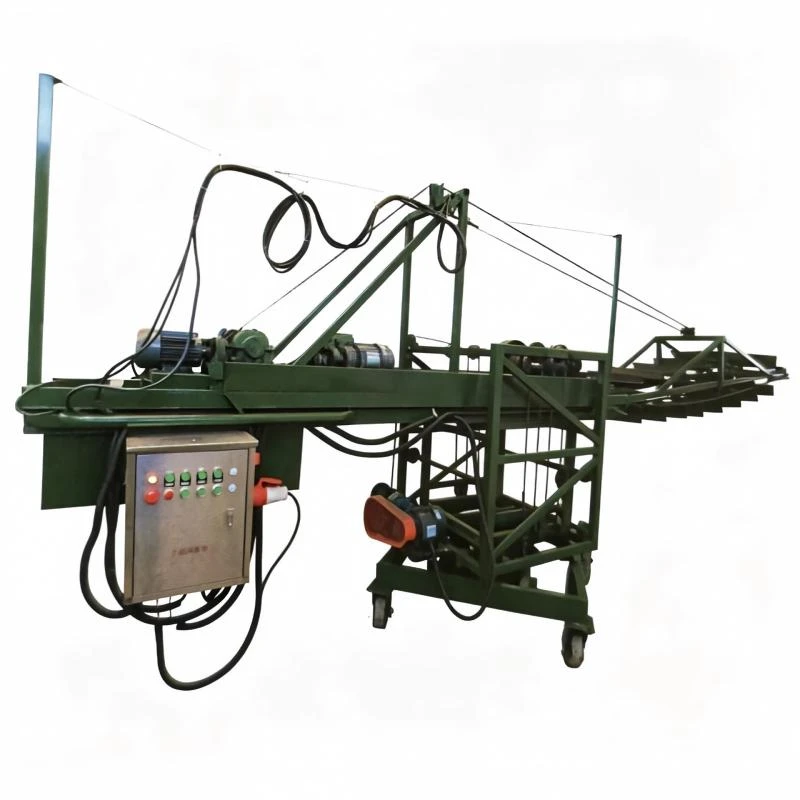
First off, let’s get on the same page about what a mobile swivel grain piler conveyor actually is. Unlike fixed piling systems that bolt down to your bin floor, this thing rolls—usually on heavy-duty rubber tires or tracks—and swivels 180+ degrees so you can dump grain from a truck, cart, or elevator and spin it out in a wide, even pile without moving the whole unit every two minutes. For anyone dealing with grain, that’s a game-changer, but only if you can get it where you need to go. That’s where turning radius comes in.

Turning radius, in simple terms, is how much space a machine needs to make a full 180-degree turn without scratching tires, bumping into bin walls, or getting stuck in mud. For mobile grain equipment, this isn’t about high-performance sports cars—we’re dealing with 5,000 to 10,000-pound machines pulling or pushing grain, so every inch counts. Here’s the thing: the turning radius of a mobile swivel grain piler conveyor isn’t a one-size-fits-all number. It depends on three big factors: wheel vs. track design, whether it has a pivot steering system, and the size of the conveyor itself.
Let’s start with the most common setup for these units: wheeled models. Most mid-sized to large mobile swivel grain piler conveyors for commercial operations (the ones that handle 50 to 150 bushels per minute) have a turning radius of between 12 and 18 feet. Wait, that’s a wide gap, right? That’s because a lot goes into that number. For example, smaller units made for hobby farms or small bins might clock in at 10 to 12 feet, while larger, heavy-duty models for 50,000+ bushel bins can hit 20 feet and up. If you’re working in a 40-foot diameter bin, a 20-foot turning radius means you need at least a 40-foot clear space to turn around—something to keep in mind before you pull a unit into a tight spot.
Now, tracked units. If you’ve ever seen a bulldozer or an excavator with tracks, you know they turn differently—some pivot in place, while others have a wider but more stable turning arc. For grain piling, tracked mobile swivel grain piler conveyors are great for uneven ground (like muddy farm fields or sloped bin pads) because they don’t sink as much as wheels. Their turning radius is usually a little wider than wheeled models, though—usually 15 to 22 feet. That trade-off is worth it if you’re working on rough ground where wheels would spin out.
But here’s the part most people don’t realize: the swivel feature itself changes things. Wait, you might be thinking, “Turning radius is about driving in circles, not the swivel arm.” But actually, when you’re piling grain, you might not need to turn the whole conveyor—you just swivel the discharge arm left or right. That’s a separate spec, but it ties into maneuverability. For example, if your turning radius is 15 feet, but your swivel arm can spin 180 degrees without extending past that, you can pile grain evenly without even moving the base. That’s the sweet spot for small to medium bins—you don’t waste space turning the whole unit when a quick swivel does the job.
Now, why does this matter to you, not just a spec sheet? Let’s say you have a 30-foot diameter bin. If you bring in a mobile swivel grain piler conveyor with a 20-foot turning radius, you’re going to run into a problem: you need at least a 40-foot clear path to turn around, but your bin is only 30 feet. That means you’ll have to back the unit out, reposition it, and turn again and again, adding 30 minutes to an hour of work per load. Multiply that by 10 loads a day, and that’s 5 to 10 extra hours of labor—costing you hundreds, if not thousands, of dollars during harvest season. On the flip side, if you pick a unit with a 12-foot turning radius for that same 30-foot bin, you can spin it in place easily, pile grain evenly without hitting walls, and get the job done faster.
Another scenario: working in a field instead of a permanent bin. Harvest season means uneven ground, mud, and tight rows. A tracked unit with a 15-foot turning radius can navigate between rows without getting stuck, whereas a wheeled unit with an 18-foot turning radius might scrape corn stalks or get bogged down in wet soil. I’ve seen guys skip larger units entirely for field work because their turning radius was too big, and end up using smaller, less powerful conveyors that take twice as long.
Now, let’s talk about what to look for when shopping for a mobile swivel grain piler conveyor, beyond just the turning radius. First, check if the unit has a “zero-turn” or “tight-turn” pivot system. Some models use a four-wheel steering setup that lets the front and back wheels turn in opposite directions, cutting the turning radius by 2 to 3 feet compared to standard two-wheel steering. That’s a huge difference for tight spaces. Also, ask about the minimum clearance required for the swivel arm—you don’t want the arm banging into bin walls when you’re spinning it to pile grain.
And here’s a pro tip from someone who’s been in the grain equipment game for years: don’t just rely on the manufacturer’s listed turning radius. Ask to demo the unit, or check reviews from other farmers who use it in bins or fields similar to yours. I’ve seen brands fudge specs to make a unit sound more maneuverable than it is, so actual real-world use is way more reliable than a number on a website.
Wait, let’s also address a common misconception: bigger turning radius doesn’t always mean less stable. A lot of people think wider turning radius equals a tippier machine, but that’s not true for modern models. Most mobile swivel grain piler conveyors have a low center of gravity, even with a 20-foot turning radius, because they’re built to handle heavy grain loads. The tire size and weight distribution are designed to keep the unit steady even when you’re swinging the swivel arm out 20 feet to pile grain.
If you’re upgrading your grain handling setup, it’s also worth looking at complementary equipment that works with your mobile swivel grain piler conveyor. For example, if you’re loading grain straight from trucks, a Mobile Truck Unloading Grain Scraper can speed up the process of getting grain into the piler. If you’re working with larger grain piles, a Telescopic Grain Bunker Completion Conveyor can help move grain from the main pile to storage bins. And for loading grain from trucks onto the conveyor, a Hydraulic Grain Truck Tipping Platform makes it easier to unload without manual labor. I always recommend checking these out if you’re looking to streamline your whole operation.
Now, let’s get back to the original question: so what’s the actual answer? There’s no single number, but for most users, the sweet spot is between 12 and 18 feet for wheeled units, 15 to 22 feet for tracked units. Match that to your most common working space: if you’re mostly working in 30 to 40 foot diameter bins, go for a unit with a turning radius under 15 feet. If you’re working in fields or larger bins (50+ feet), you can go up to 20 feet. And if you need extra maneuverability, look for a model with four-wheel steering to cut that radius down even more.
At the end of the day, the turning radius of your mobile swivel grain piler conveyor is a spec that saves you time, money, and frustration during the busiest parts of harvest. You don’t want to be stuck repositioning a machine every five minutes when you should be moving grain. If you’re in the market for one, take the time to measure your bin sizes, map out your field rows, and test drive different models. And if you want to learn more about our line of mobile swivel grain piler conveyors, or any of our other grain equipment like the ones I mentioned earlier, hit us up to talk through your specific needs. We’ve helped hundreds of farmers and bin managers find the right setup for their space, and we’re here to help you too.
References
- Grain Handling and Processing Equipment Association (GHPA). (2022). Mobile Grain Conveyor Maneuverability Guidelines. Retrieved from GHPA Official Industry Publications
- Agricultural Equipment Technology Journal. (2021). Turning Radius Variations in Wheeled vs. Tracked Grain Piling Conveyors. Volume 14, Issue 3, pp. 45-52
- National Farm Machinery Show Technical Report. (2023). Commercial Grain Handling Equipment Spec Standards. Retrieved from National Farm Machinery Show Online Resources
- Journal of Agricultural Engineering Research. (2020). Maneuverability Factors for Compact Grain Storage Equipment. Volume 19, Issue 2, pp. 112-119